





Tooth Decay in Kids: Causes, Signs, and Correction

Tooth decay in kids is more prevalent than asthma and diabetes. It’s actually been said to be the most common chronic childhood disease here in the United States. Yet, it’s one of the most preventable.
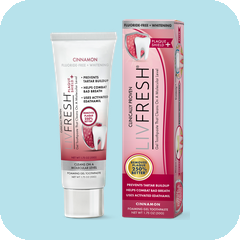
We’ll cover the common causes and signs of tooth decay in kids below before sharing actionable insights to protect your child from not-so-fun dental appointments. It could be as simple as brushing with LIVFRESH Kids+ Toothpaste to remove plaque more effectively.
Key Takeaways
- Tooth decay is the #1 chronic childhood disease in the U.S. It's almost entirely preventable.
- Bacteria leave behind acid as they feed on sugar in the mouth, slowly breaking down enamel.
- A white spot on a tooth is the earliest visible warning sign of decay - damage can still be reversed at this stage.
- Brushing twice a day with a clinically proven toothpaste like LIVFRESH is the best way to care for enamel.
What is Kids' Tooth Decay?
Every child (and adult, for that matter) has bacteria in their mouth. That’s normal. The problem is when those bacteria eat sugar left on teeth from a recent meal, snack, or drink. This leads to acid as a byproduct.
Enamel can begin breaking down if plaque - the sticky film that coats teeth after eating - builds up and traps that acid against the enamel. Minerals begin leaching from the tooth and soft spots form. Those soft spots can become cavities over time.
Whether your child has baby teeth or their permanent teeth, tooth decay is a real concern. It goes beyond oral health, too. Dr. Warren Brill, past President of the American Academy of Pediatric Dentistry, says, “When kids have dental pain, it affects their growth and development.”1
They stop eating as much because it physically hurts. Sleep suffers. They can’t concentrate at school. One untreated cavity can have a cascade of consequences. This is to say, you must remain vigilant for the warning signs of tooth decay in kids.
Signs of Tooth Decay in Kids
You should pay close attention to your little one’s teeth, because there will be signs of tooth decay that your child themself may not pick up on:
- White, chalky spots on enamel: This is known as demineralization. It’s the stage just prior to a cavity forming. The damage can still be reversed at this point.
- Brown or dark spots: The enamel has broken down if you see white spots turning brown. A cavity is forming.
- Sensitivity: Hot or cold liquids can be very painful with poor enamel.
Eventually, you’ll see visible pits or holes in the tooth surface. Your child may have persistent bad breath that doesn’t get better after brushing (because the tooth is quite literally rotting!).
What Causes Tooth Decay in Kids?
Kids' tooth decay is usually the result of three things happening simultaneously: bacteria, sugar, and time.
Like we spoke about above, bacteria eat the sugar/starch left on teeth after meals and snacks. The byproduct of this feeding is always the same: acid. That acid eats away at the enamel.
Snacking throughout the day, as kids do, means the teeth are exposed to relentless acid attacks. Same outcome of sipping juice from a sippy cup over an hour. The teeth are coated in sugar for that entire hour.
Inconsistent brushing habits lead to a buildup of plaque on kids’ teeth. Even twice-daily brushing won’t cut it if your child isn’t brushing correctly or using the right toothpaste. Acid-producing bacteria thrive in plaque. The thicker it stays, the more acid stays pressed against the enamel - and the faster decay can take hold.
How Your Child’s Dentist Diagnoses Tooth Decay
We cannot stress the importance of committing to dental checkups every six months. Your child’s dentist will conduct a visual exam, probe for soft spots, and take X-rays to catch cavities forming in the nooks and crannies between teeth. Decay between molars is especially common in children and virtually impossible to spot on your own at home.
How Can Kids Prevent Tooth Decay?
Dr. Rena D'Souza of the National Institute of Dental and Craniofacial Research says it best. “A healthy mouth in the child lays the foundation for oral and overall health and well-being for life.”2
So, how can kids prevent tooth decay? Honestly, the onus is on YOU as a parent. You have to set your child up with the right oral care tools, help them improve their technique, and encourage consistent habits. Here are some tips on cavity prevention for kids.
Brushing With a Better Toothpaste
The best kids’ toothpaste is one that your child can tolerate AND actually removes plaque when you brush with it. LIVFRESH Kids+ Toothpaste checks both boxes.
The formula features Activated Edathamil, an ingredient backed by 40 clinical studies and 40 patents. Brushing with LIVFRESH removes plaque 250% better than a leading ADA-approved toothpaste. You get a superior clean with no abrasives, and kids love the bubblegum flavor.
It’s made with food-grade ingredients and is safe to swallow, so you can enjoy peace of mind as a parent. Just make sure your child uses LIVFRESH twice a day, for a full two minutes each time.
Other Oral Care Habits That Help
Flossing once a day is another non-negotiable. This habit should begin as soon as your child has two teeth next to each other. Kid-sized floss picks are a great choice.
You should also encourage your little one to rinse well with water after every meal, snack, or sugary drink. This will clear the bulk of the buildup to help minimize the acid attacks that take place between brushings.
Nutrition and Other Lifestyle Factors
Sugar is the enemy here, so obviously, limiting intake can go a long way in preventing kids' tooth decay. Water is the best choice throughout the day. Avoid letting toddlers carry sippy cups of juice or milk around, which coats teeth in sugar for extended stretches. Rather, give your kiddo apples, carrots, or celery - these crunchy snacks help naturally scrub teeth.
Regular Dentist Appointments
We said it before, and we’ll say it once more - preventing tooth decay in kids is entirely feasible. But your dentist will help clue you into warning signs of tooth decay, so you can pay extra attention to problem areas. Every six months is the cadence you want to get into.
Other than that, it’s just a matter of finding fun ways to get kids to brush their teeth so you can minimize plaque buildup. Start encouraging better oral hygiene today!
Related Resources
What happens when kids don't brush their teeth | When can kids use regular toothpaste
References
- Brill, W. "The State of Little Teeth." American Academy of Pediatric Dentistry. AAPD
- D'Souza, R. "Big Hopes for Little Teeth." National Institute of Dental and Craniofacial Research, 2024. NIDCR


LIVFRESH Kids+ Bubble Gum - 4 Pack (Subscription)
This article is for general educational purposes and is not a substitute for advice from your dentist or healthcare provider. Where this article describes gum health benefits of a LIVFRESH product, including help with bleeding gums, gingivitis, or periodontitis, those benefits refer to the LIVFRESH Gum Protect+ product line and do not apply to our fluoride-free formula. Gingivitis and periodontitis claims are based on CE Mark certification. These statements have not been evaluated by the U.S. Food and Drug Administration.