





Do You Brush Baby Teeth?

One of the most common misconceptions we see in oral care for babies is that because baby teeth are just going to fall out anyway, there’s really no need to brush them. This couldn’t be further from the truth.
So then why do you brush baby teeth? Because the problems of neglecting oral care at this pivotal stage in your child’s development will linger for years after those tiny teeth come out! Baby teeth hold space for the permanent set growing under them. Decay can persist.
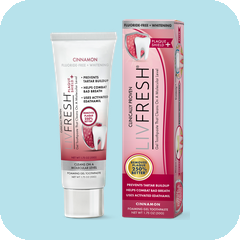
Dentists say you should begin brushing as soon as you see the first baby tooth pop through. So, give your child the oral care they need with LIVFRESH Kids+ Toothpaste, powered by an ingredient backed by 40 clinical studies and 40 patents.
Key Takeaways
- Baby teeth need to be brushed just like adult teeth.
- The first baby tooth tends to pop through around 6 months.
- Decay in baby teeth can mess with alignment and damage permanent teeth.
- You only need a toothpaste smear the size of a grain of rice early on.
- Brushing with LIVFRESH Kids+ Toothpaste helps clean teeth on a molecular level without any abrasives.
Why Do You Brush Baby Teeth?
“They’re just going to fall out.”
That’s what we hear from so many parents who neglect their baby’s oral hygiene. But baby teeth are placeholders. They guide permanent teeth into the perfect position as the child’s jaw grows. Surrounding teeth can drift into the gap if a baby tooth comes out too early due to tooth decay, which can crowd the adult teeth trying to come in.
Former President of the American Academy of Pediatric Dentistry Dr. Scott W. Cashion says tooth decay is “the most common chronic childhood disease in the U.S.” More prevalent than childhood obesity, asthma, and diabetes.1 This alone is reason to brush baby teeth.
But there’s also the speech side of things. Toddlers learning to form sounds like “th,” “v,” and “f” rely on their front teeth to shape those sounds. Losing teeth too early can delay speech clarity at a critical stage of development. This can hold your little one back from communicating well as they grow older.
Pediatric dentist and ADA spokesperson Dr. Mary Hayes says, “If you don't have healthy teeth, your body's not healthy.”2 And what more do you want for your baby than for them to be healthy?
When Do You Brush Baby Teeth?
The first tooth that pops through your baby’s gums is your sign it’s time to start brushing. So, when do you brush baby teeth on average? Sometime between 4-12 months of age. Every child begins teething at a slightly different stage.
But the guidance is very cut and dry. “As soon as teeth appear, caregivers should start brushing them twice a day with a toothbrush designed for small children,” Dr. Cashion says.1
You should use a soft-bristled infant brush with a small enough head to fit comfortably in your baby’s mouth. It’s also imperative that you use a kids-approved toothpaste, which is something we’ll cover in-depth in just a moment.
Brush twice a day - morning and bedtime.
Do You Need to Brush Your Little One’s Gums, Too?
Here’s something interesting. Do you brush baby teeth before they’ve even appeared? In a way, yes! Bacteria and milk residue can build up along the gum line well before any tooth has popped through.
But you don’t necessarily need to brush in the traditional sense. Dr. Cashion just recommends wiping your baby’s gums with a cool, wet washcloth.1 This can help remove buildup. But perhaps more importantly, you’re getting your baby used to having their mouth touched.
Board-certified pediatric dentist Dr. Ashley Lerman says, “It's really important to desensitize the mouth, so even as early as 10 to 12 weeks, you can introduce a teether.”3
This way, your kiddo doesn’t freak out when you insert a toothbrush into their mouth. Well, not as much as they otherwise might, at least. Brushing may be a chore regardless. But it’s about minimizing resistance.
Choosing the Right Toothpaste For Your Kid
The ADA and AAPD both recommend a rice-grain-sized smear of toothpaste for babies and toddlers under the age of 3. You will use a pea-sized dab when they turn 3. But how do you actually pick the best kids’ toothpaste?
You need to brush with a toothpaste featuring other clinically studied ingredients to keep your baby’s teeth clean. LIVFRESH Kids+ Toothpaste features Activated Edathamil. Brushing with LIVFRESH removes plaque 250% better than a leading ADA-approved toothpaste. It works to help keep plaque on kids’ teeth at bay.
What really separates it from other formulas is that it’s abrasive-free and has a wonderful bubblegum flavor that kids love. That matters. Finding a toothpaste your child tolerates - or potentially even enjoys - can feel like a never-ending battle. But while most toothpastes are gritty, foamy, and overwhelmingly minty, LIVFRESH feels more gentle.
Tips on Brushing Your Baby’s Teeth (Even if They Hate It)
Plan for some resistance early on as you begin brushing your child’s teeth. We’ve found what works best is laying their head in your lap (face up) so you have a clear line of sight and easy control of the brush. If your toddler becomes squirmy, try sitting behind them while they lean back against you.
You can start with shorter sessions. A 7-month-old may not need a full two minutes - they don’t have that many teeth! Most experts suggest you aim for 10 seconds per tooth. Really, part of what you’re doing is laying the groundwork for your child to commit to a more comprehensive oral care routine as they get older.
Your voice can be your best tool for encouraging compliance early on. Sing to them while you brush, narrate, count teeth - whatever you find keeps your little one calm. You can explore more fun ways to get kids to brush their teeth as they get older.
Encouraging Good Oral Care Habits Early On
So, do you brush baby teeth? Yes. Effective cavity prevention for kids begins when the first tooth pops through - and honestly, even sooner than that with gum care.
Every brushing session you do now trains your child to see oral care as normal, not negotiable. Keep it consistent, and pick a toothpaste that works with you. Brushing with LIVFRESH Kids+ Toothpaste unglues plaque from the tooth for cleaner teeth without any abrasives. See for yourself why parents keep coming back for more!
Related Resources
What happens when kids don't brush their teeth | When can kids use regular toothpaste
References
- Cashion, S.W. "When to start brushing baby teeth: A guide to kids' oral care." CVS Health. CVS Health
- Hayes, M. "Cavities increasing in baby teeth." NBC News. NBC News
- Lerman, A. "Addressing Unmet Needs in Early Childhood Oral Care." Dental Products Report. Dental Products Report


LIVFRESH Kids+ Bubble Gum - 4 Pack (Subscription)
This article is for general educational purposes and is not a substitute for advice from your dentist or healthcare provider. Where this article describes gum health benefits of a LIVFRESH product, including help with bleeding gums, gingivitis, or periodontitis, those benefits refer to the LIVFRESH Gum Protect+ product line and do not apply to our fluoride-free formula. Gingivitis and periodontitis claims are based on CE Mark certification. These statements have not been evaluated by the U.S. Food and Drug Administration.